DORE GOLD
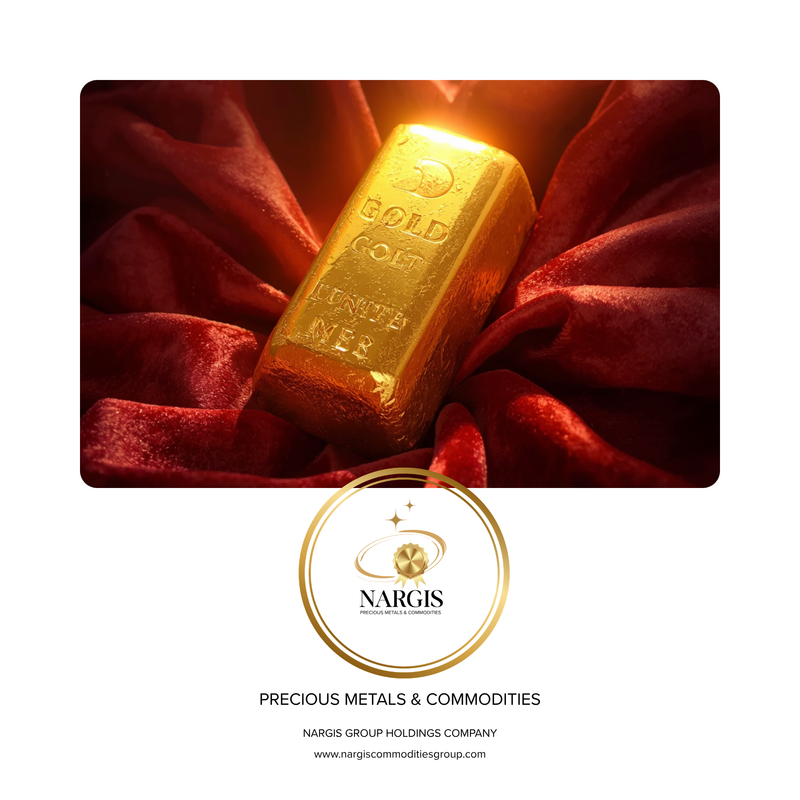
Doré gold (also spelled dore) is a semi-refined gold alloy produced by mines or artisanal processing plants. It contains a mixture of gold, silver, and trace base metals, and must be refined before it becomes investment-grade bullion.
Key Characteristics
- Purity: Typically 70–95% gold, with the balance consisting mainly of silver and small amounts of copper and other impurities.
- Appearance: Rough, unpolished bars with varying size, shape, and color depending on the mine and production process.
- Value: Determined by its actual recoverable precious metal content, confirmed through assay.
Refining Process
Doré bars are shipped to accredited refineries, where they are:
- Assayed to determine their exact gold and silver content.
- Refined to high purity, usually 99.5% or 99.99%.
- Cast into investment-grade bullion bars or used to manufacture other gold products.
Market Uses
- Feedstock for precious metal refineries.
- Supply source for bullion production.
- Raw material for jewelry and industrial manufacturing after refining.
Pricing
Doré gold is generally priced based on:
- The international gold spot price.
- Assayed gold and silver content.
- Refining and assay charges.
- Transport, insurance, and export/import costs.
- Any agreed commercial discounts or premiums.
Advantages for Buyers
- Often purchased at a discount to fully refined bullion because additional refining is required.
- Suitable for refiners and experienced precious metals traders.
- Opportunity to recover value from both the gold and silver contained in the doré.
Key Considerations
- Independent assay is essential before settlement.
- Buyers should verify the legal origin of the gold and ensure compliance with applicable anti-money laundering (AML), know-your-customer (KYC), and responsible sourcing requirements.
- Export permits, customs documentation, and chain-of-custody records are important for international transactions.
In major gold-producing countries such as Ghana, doré gold is commonly exported to international refining centers such as Dubai and Zurich, where it is refined into internationally recognized bullion for investment and commercial use.