SILVER - Refined & Dore
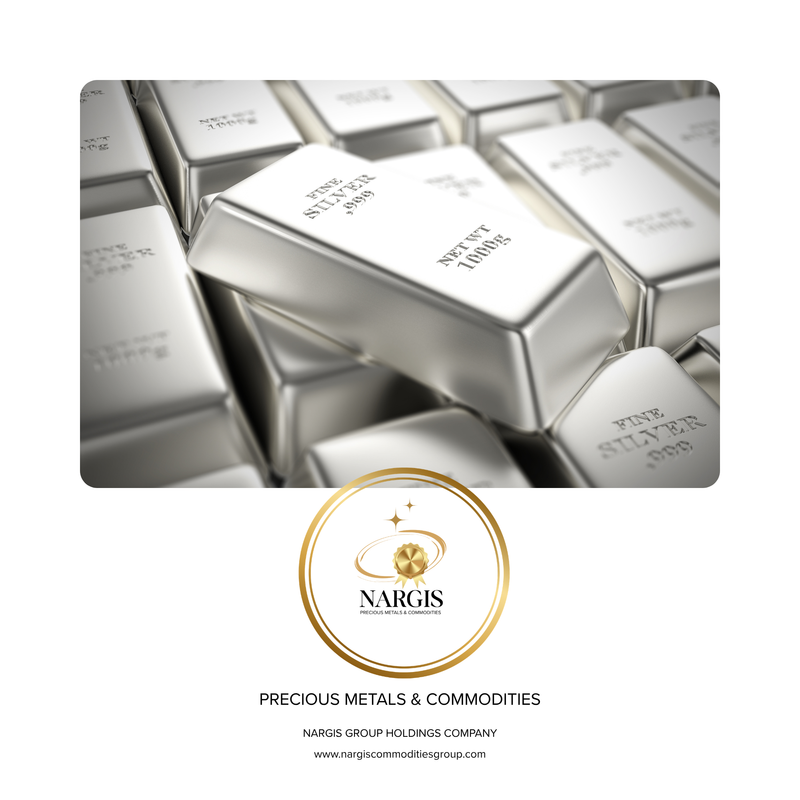
The best place to source silver depends on the form of silver you want (investment bullion, industrial silver, or raw silver concentrates) and your priorities (price, reliability, purity, or long-term supply). We supply from Mexico as the primary source location
- Major producing countries
- Mexico – One of the world's largest silver producers with a long history of mining.
- China – Significant silver output, much of it as a by-product of other mining.
- Peru – Home to numerous large-scale silver mines.
- Chile – Produces substantial quantities alongside copper mining.
- Australia – Well-regulated mining industry with high-quality output.
- Recognized refiners and mints
For investment-grade silver, buying from internationally recognized refiners provides confidence in purity and resale value:
- The Perth Mint
- Metalor Technologies
- Valcambi
- Heraeus
- Wholesale bullion markets
The largest institutional trading hubs include:
- London – The global benchmark market for wholesale silver.
- Zurich – Major refining and vaulting center.
- Dubai – Important regional trading and logistics center.
If Buyers are sourcing for commercial trade
If you're purchasing large quantities (for example, 1,000 kg or more), it's generally best to buy:
- Directly from a mine or producer through an authorized marketing agent.
- From an accredited refinery.
- Through a reputable international bullion dealer or commodities trading company, NARGIS Precious Metals & Commodities.
Always ensure:
- The silver is accompanied by an assay certificate.
- Chain-of-custody documentation is available.
- Export permits and customs documentation are complete.
- The seller can demonstrate legitimate ownership and provenance.
Standard international silver procurement process
1. Buyer issues LOI
The buyer's Letter of Intent should specify:
- Form: silver bars, grain, concentrate, or doré
- Purity: e.g. 99.9% or 99.99%
- Quantity per shipment and monthly quantity
- Delivery location
- Preferred Incoterm
- Pricing basis and discount/premium
- Payment method
- Required documentation
2. Seller issues FCO/SCO
The seller provides a Firm/Soft Corporate Offer containing:
- Product specification and purity
- Available quantity
- Origin
- Price formula
- Delivery terms
- Inspection/assay arrangements
- Payment terms
- Validity period
- Corporate and compliance information
3. Seller verification / Proof of Product
Before any substantial payment, verify:
- Seller's legal registration and ownership
- Mining/refining authorization where applicable
- Assay certificate
- Bar serial numbers and refinery markings
- Certificate of origin
- Export authorization
- Customs documentation
- Chain of custody
- Evidence that the seller actually controls the silver
A video, photograph, warehouse receipt or "proof of product" document alone should not be treated as sufficient evidence of ownership.
4. Independent assay
For significant transactions, use an independent recognized assayer/refinery. The final payable quantity and purity should normally be determined by the agreed assay procedure rather than solely by the seller's certificate.
For example:
Gross silver weight × confirmed fineness = fine silver content
The commercial contract should also specify how discrepancies between the seller's assay and the independent final assay are resolved.
5. Contract / SPA
Once due diligence is satisfactory, execute a Sales & Purchase Agreement covering:
- Product and specifications
- Quantity and tolerance
- Origin/provenance
- Price formula
- Assay procedure
- Delivery and transfer of title/risk
- Insurance
- Taxes and duties
- Payment mechanism
- Inspection
- Rejection provisions
- Default and termination
- Compliance/AML provisions
- Dispute resolution
6. Logistics
For international shipments, use an established precious-metals logistics provider. Documentation should match the physical shipment, including serial numbers, weight, assay, packing list, transport documents and customs declarations.
7. Final assay and settlement
A typical structure is:
Silver value = Fine silver quantity × agreed reference price ± agreed premium/discount − agreed deductions
Settlement is then made according to the SPA after the contractual assay and delivery conditions have been satisfied.